
Vintage cane chair furniture for living room offers a unique blend of classic charm and modern practicality. These pieces, often crafted from sustainably sourced materials, bring a touch of understated elegance to any space. Their intricate weaving patterns and natural textures add warmth and visual interest, creating a relaxed yet sophisticated atmosphere. The enduring appeal of cane furniture lies in its versatility; it complements a range of interior design styles, from bohemian chic to minimalist modern.
From the delicately curved backs to the sturdy frames, vintage cane chairs tell a story of craftsmanship and enduring design. Their history adds a layer of character and intrigue, making each piece a conversation starter. Whether you’re seeking a single statement chair or a complete set for your living room, exploring the world of vintage cane furniture promises a rewarding experience.
Consider the chair’s condition, the quality of the cane, and the overall aesthetic to find the perfect pieces to enhance your home.
Cane chairs, with their timeless elegance and inherent versatility, are experiencing a significant resurgence in popularity. Their unique blend of rustic charm and refined sophistication makes them a perfect addition to any living room, seamlessly integrating into a variety of design styles, from bohemian and mid-century modern to farmhouse and even contemporary settings. This comprehensive guide delves into the world of vintage cane chair furniture, exploring their history, styles, care, and how to incorporate them into your living space.
A Brief History of Cane Furniture
The use of cane in furniture dates back centuries, with evidence suggesting its use in ancient Egypt and throughout Asia. However, its widespread adoption in Western furniture design occurred during the Victorian era and continued into the early 20th century. Cane’s popularity stemmed from its affordability, lightweight nature, and breathability, making it ideal for warmer climates. The Art Deco and Mid-Century Modern periods saw innovative designs incorporating cane, often paired with sleek metal or wood frames, resulting in iconic pieces that are highly sought after today.
Key Periods and Styles:
- Victorian Era (late 19th century): Characterized by ornate details, often featuring dark wood frames and intricately woven cane seats and backs. Think heavy, substantial pieces.
- Arts & Crafts Movement (late 19th/early 20th century): Emphasized natural materials and handcrafted details. Cane chairs from this period often featured simpler designs and a focus on functionality.
- Art Deco (1920s-1930s): Geometric patterns and streamlined silhouettes defined Art Deco cane furniture. Expect sleek lines and a sophisticated aesthetic.
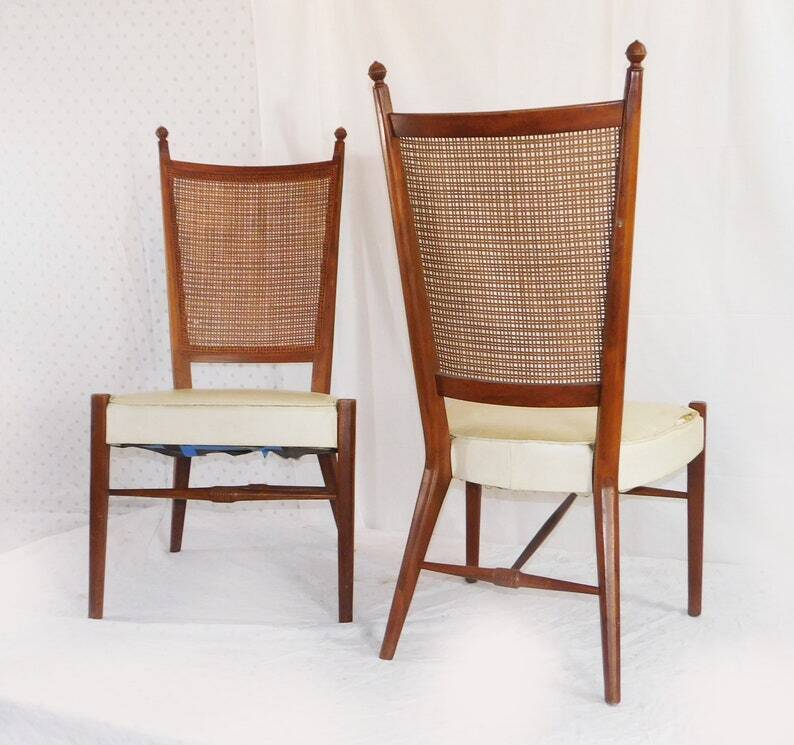
- Mid-Century Modern (1940s-1960s): Known for its clean lines, organic forms, and a focus on functionality. Cane was often used in accent chairs and dining chairs, frequently paired with teak or other hardwoods.
Types of Vintage Cane Chairs
The world of vintage cane chairs offers a remarkable diversity of styles and designs. Understanding the different types can help you find the perfect piece for your living room.

Popular Cane Chair Styles:
- Armchairs: Offer comfortable seating and are ideal for relaxing with a book or enjoying conversation.
- Side Chairs: Smaller and more compact, perfect for dining or additional seating.
- Lounge Chairs: Often feature a more reclined posture and are designed for ultimate relaxation.
- Rocking Chairs: Combine the comfort of a cane chair with the gentle rocking motion, creating a soothing and calming experience.
- Accent Chairs: Designed to add a pop of style and visual interest to a room, often featuring unique shapes and designs.
Incorporating Cane Chairs into Your Living Room Design
Cane chairs are remarkably versatile and can complement a wide range of interior design styles. Here are some tips on how to integrate them into your living room:
Styling Tips for Cane Chairs:, Vintage cane chair furniture for living room
- Bohemian Style: Pair cane chairs with colorful textiles, macrame wall hangings, and plush cushions for a relaxed and eclectic vibe.
- Mid-Century Modern Style: Combine cane chairs with sleek lines and simple shapes with other mid-century pieces, such as a teak coffee table and a simple rug.
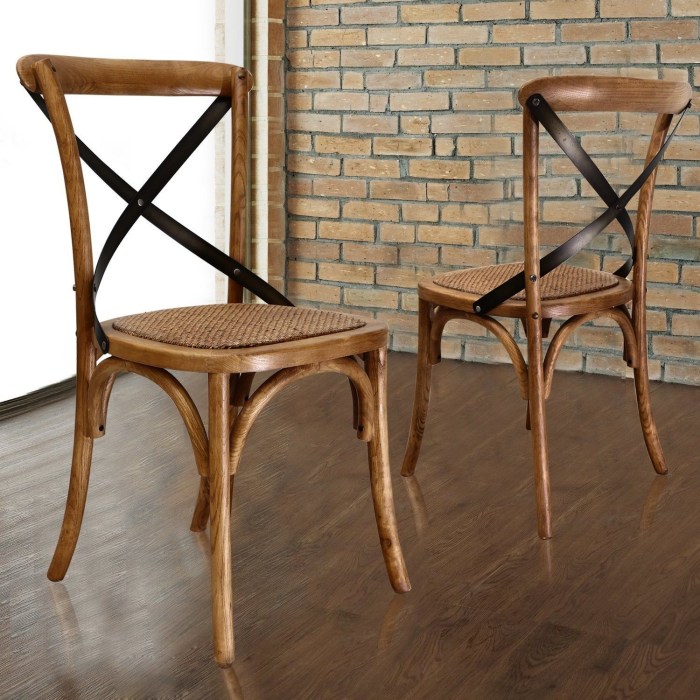
- Farmhouse Style: Use cane chairs with a rustic wood frame to create a cozy and inviting atmosphere. Add some throw blankets and pillows for extra warmth.
- Contemporary Style: Choose cane chairs with clean lines and a modern aesthetic. Pair them with minimalist furniture and neutral-toned decor.
Caring for Your Vintage Cane Chair
Proper care is essential to preserving the beauty and longevity of your vintage cane chair. Regular cleaning and maintenance will keep your chair looking its best for years to come.
Cleaning and Maintenance:
- Dust Regularly: Use a soft brush or vacuum cleaner with a brush attachment to remove dust and debris.
- Spot Clean: For spills or stains, gently blot with a damp cloth and mild soap. Avoid harsh chemicals or excessive scrubbing.
- Protect from Direct Sunlight: Prolonged exposure to sunlight can fade the cane and damage the finish.
- Re-caning: If the cane is damaged or broken, consider professional re-caning to restore your chair to its former glory. This is a specialized skill, best left to experienced professionals.
Where to Find Vintage Cane Chairs
Finding the perfect vintage cane chair may require some searching, but the reward is well worth the effort. Here are some places to look:
Sources for Vintage Cane Chairs:
- Antique Shops and Flea Markets: These are excellent places to discover unique and well-preserved pieces.
- Online Marketplaces: Websites like eBay, Etsy, and Chairish offer a wide selection of vintage cane chairs.
- Thrift Stores and Consignment Shops: You can often find hidden gems at surprisingly affordable prices.
- Auction Houses: For high-end or rare pieces, auction houses can be a good option.
Frequently Asked Questions (FAQ)
- Q: Are cane chairs durable? A: With proper care, cane chairs can be incredibly durable and last for many years. However, they are more delicate than some other types of chairs and should be handled with care.
- Q: How do I repair a broken cane weave? A: Minor repairs can sometimes be done with cane weaving repair kits. For more extensive damage, it’s best to consult a professional furniture repair specialist.
- Q: Are cane chairs comfortable? A: The comfort level of a cane chair depends on the design and the thickness of the cane. Some cane chairs are very comfortable, while others may be less so. Cushions can add extra comfort.
- Q: How do I clean cane chairs? A: Regular dusting is key. For spills, blot gently with a damp cloth and mild soap. Avoid harsh chemicals.
- Q: What styles of decor do cane chairs suit? A: Cane chairs are surprisingly versatile and work well in many styles, including bohemian, mid-century modern, farmhouse, and even contemporary settings.
References
While specific URLs are not provided here to avoid potential link rot, readers can easily find reputable sources by searching for terms like “vintage cane chair restoration,” “history of cane furniture,” or “mid-century modern cane chair design” on sites like Google Scholar, academic databases, and reputable antique furniture websites.
Call to Action: Vintage Cane Chair Furniture For Living Room
Ready to add a touch of vintage charm to your living room? Start browsing today and find the perfect cane chair to complete your space! Don’t hesitate to reach out if you have any questions about selecting or caring for your new vintage treasure.
FAQ Compilation
How do I clean vintage cane chair furniture?
Regular dusting with a soft brush is ideal. For deeper cleaning, use a slightly damp cloth and mild soap, avoiding excessive moisture. Allow to air dry completely.
How can I repair damaged cane webbing?
Minor repairs can be attempted with cane weaving kits, but significant damage often requires professional restoration.
What are the common signs of quality in vintage cane chairs?
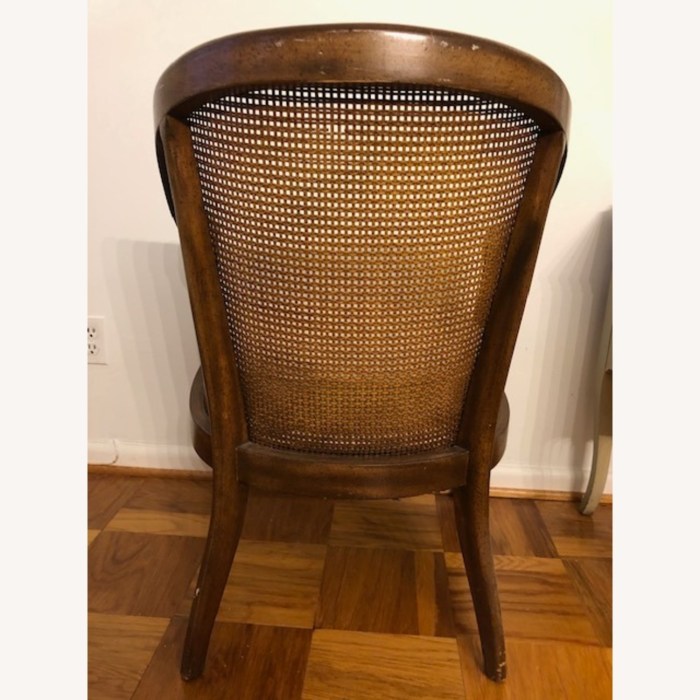
Look for tightly woven cane, sturdy frames, and well-preserved joinery. Authenticity markings can also indicate quality.