
Mid-century modern lounge chair furniture represents a pinnacle of design, seamlessly blending form and function. These iconic pieces, born from the post-war era’s optimism and burgeoning design movements, continue to captivate with their clean lines, organic forms, and enduring elegance. From the iconic Eames Lounge Chair to lesser-known gems, these chairs offer a glimpse into a period of significant aesthetic innovation and remain highly sought-after today for their comfort and timeless appeal.
Their enduring popularity speaks to a design philosophy that prioritizes both aesthetic beauty and practical usability.
The designs often incorporated new materials like molded plywood and fiberglass, allowing for innovative shapes and greater comfort. Many pieces emphasized organic forms and a connection to nature, reflecting a shift away from more ornate styles. This era also saw a rise in the use of bold colors and playful patterns, adding a vibrancy to living spaces that persists in modern interpretations.
The mid-century modern era, spanning roughly from the late 1930s to the early 1970s, left an indelible mark on design. Characterized by clean lines, organic forms, and a focus on functionality, mid-century modern furniture continues to captivate and inspire. Among its most iconic pieces are the lounge chairs, offering a blend of comfort, style, and enduring appeal. This comprehensive guide delves into the world of mid-century modern lounge chairs, exploring their history, design elements, popular styles, materials, and care tips.
A Glimpse into Mid-Century Modern Design Principles
Before diving into specific lounge chair styles, it’s crucial to understand the core principles that defined mid-century modern design. These principles heavily influenced the creation of these iconic seating pieces:
- Functionality: Form followed function. Chairs were designed to be comfortable and practical, not just aesthetically pleasing.
- Simplicity: Clean lines, minimal ornamentation, and a focus on essential shapes were paramount.
- Organic Forms: Inspired by nature, many designs incorporated curves and flowing lines, contrasting with the rigid geometry of earlier styles.
- Materials Innovation: The era saw the introduction of new materials like plywood, molded plastic, and fiberglass, allowing for innovative designs and mass production.
- Accessibility: While high-end pieces existed, the movement also aimed to create affordable, well-designed furniture for a wider audience.
Iconic Mid-Century Modern Lounge Chair Styles
Several distinct styles emerged during the mid-century modern period, each with its own unique characteristics. Here are some of the most recognizable:
The Eames Lounge Chair and Ottoman
Perhaps the most iconic mid-century modern lounge chair, the Eames Lounge Chair and Ottoman, designed by Charles and Ray Eames in 1956, epitomizes the era’s elegance and comfort. Its molded plywood shell, supple leather upholstery, and elegantly curved base make it a timeless classic. Its popularity continues to this day, with reproductions and original pieces highly sought after.
The chair’s design perfectly balances comfort and sophistication, making it a statement piece in any room.
The Barcelona Chair
Designed by Ludwig Mies van der Rohe and Lilly Reich in 1929, the Barcelona Chair, while technically predating the mid-century modern period, embodies many of its principles. Its sleek chrome frame and luxurious leather cushions create a sense of refined elegance. Its clean lines and minimalist aesthetic remain incredibly influential, cementing its place as a design icon.
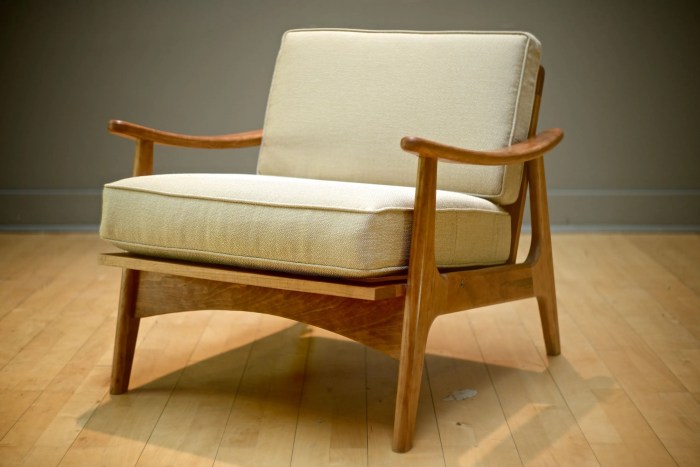
The Egg Chair
Designed by Arne Jacobsen in 1958 for the SAS Royal Hotel in Copenhagen, the Egg Chair is instantly recognizable for its sculptural form and enveloping comfort. Its fiberglass shell provides a sense of privacy and seclusion, making it ideal for a quiet reading nook or a sophisticated office space. The chair’s unique shape and luxurious upholstery contribute to its enduring appeal.
The Womb Chair, Mid-century modern lounge chair furniture
Another creation by Eero Saarinen, the Womb Chair, designed in 1948, offers a relaxed and informal seating experience. Its rounded form and deep cushioning provide a feeling of being nestled in a comfortable cocoon. Its organic shape and versatile design make it a popular choice for various settings.
Materials Used in Mid-Century Modern Lounge Chairs
The materials used in mid-century modern lounge chairs played a significant role in their design and longevity. Common materials include:
- Wood: Teak, walnut, and rosewood were popular choices, offering both durability and aesthetic appeal. Plywood, a relatively new material at the time, allowed for innovative curved designs.
- Leather: High-quality leather upholstery was frequently used, providing both comfort and a luxurious feel. Different types of leather, such as aniline and semi-aniline, offered varying levels of texture and durability.
- Fabric: While leather was common, various fabrics, such as wool and linen, were also employed, offering a wider range of textures and colors.
- Metal: Steel and chrome were often used for chair bases and frames, adding a touch of modern sophistication. Aluminum was also utilized for its lightweight properties.
- Plastic: Molded plastics, like fiberglass, offered new possibilities for shaping and manufacturing, leading to innovative designs.
Caring for Your Mid-Century Modern Lounge Chair
Proper care is essential to preserving the beauty and longevity of your mid-century modern lounge chair. Here are some tips:
- Regular Cleaning: Dust regularly with a soft cloth. For upholstery, use appropriate cleaning solutions recommended by the manufacturer.
- UV Protection: Avoid prolonged exposure to direct sunlight, which can fade fabrics and damage wood finishes.
- Moisture Control: Keep the chair away from excessive moisture to prevent warping and mildew.
- Professional Cleaning: Consider professional cleaning for upholstery and leather every few years to maintain its condition.
- Repair and Restoration: Address any damage promptly. Consult a professional furniture restorer for significant repairs or restoration.
Frequently Asked Questions (FAQs)
- Q: Are mid-century modern lounge chairs comfortable? A: Generally, yes. Many designs prioritize comfort, with ergonomic considerations and supportive cushioning.
- Q: How much do mid-century modern lounge chairs cost? A: Prices vary widely depending on the brand, condition, and whether it’s an original or reproduction. Original pieces can be quite expensive.
- Q: Where can I buy a mid-century modern lounge chair? A: You can find them at antique shops, vintage furniture stores, online marketplaces (like eBay and Etsy), and specialized furniture retailers.
- Q: How can I tell if a mid-century modern lounge chair is authentic? A: Look for maker’s marks, construction details consistent with the era, and research the specific chair’s history and design characteristics.
- Q: How do I choose the right mid-century modern lounge chair for my space? A: Consider the size of your room, your personal style, and the overall aesthetic you want to achieve. Think about the chair’s functionality and how it will be used.
Sources
Find Your Perfect Mid-Century Modern Lounge Chair Today!
With its blend of timeless style, enduring comfort, and historical significance, a mid-century modern lounge chair is more than just a piece of furniture; it’s a statement. Start your search today and discover the perfect chair to enhance your living space.
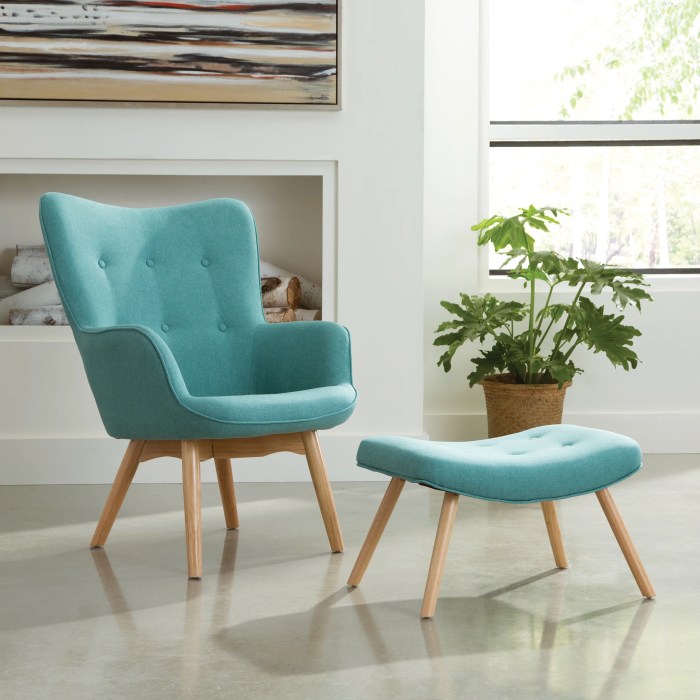
FAQ Summary: Mid-century Modern Lounge Chair Furniture
What materials were commonly used in mid-century modern lounge chairs?
Common materials include molded plywood, fiberglass, leather, and various types of wood, such as teak and walnut.
How can I tell if a lounge chair is genuinely mid-century modern?
Look for characteristic design elements such as clean lines, organic forms, tapered legs, and the use of innovative materials for the time period. Researching designers and manufacturers can also help authenticate a piece.
How do I care for my mid-century modern lounge chair?
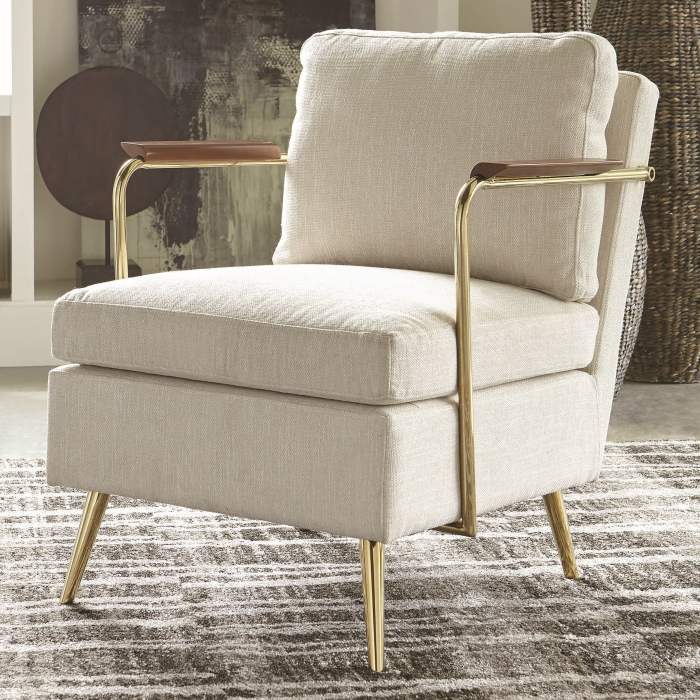
Regular dusting and appropriate cleaning methods depending on the upholstery and materials are crucial. Consult a professional for cleaning delicate materials or significant repairs.