
Folding room divider screen furniture panels offer a versatile solution for modern living spaces. These adaptable pieces seamlessly blend functionality and aesthetics, providing a dynamic way to redefine interior layouts. Whether used to create a temporary office, separate living areas, or simply add a touch of visual interest, these panels offer a wealth of design possibilities, allowing for personalized spatial arrangements that suit diverse needs and preferences.
Their portability and ease of use make them an ideal choice for both homeowners and renters seeking flexible and stylish room dividers.
The market offers a wide variety of styles, from minimalist designs to ornate, decorative panels, crafted from materials ranging from wood and fabric to sleek, modern plastics. Factors to consider when selecting a room divider include size, material, style, and the intended purpose. Careful consideration of these elements will ensure the chosen panels complement the existing décor and effectively meet the user’s spatial requirements.
Proper maintenance will extend the lifespan and maintain the aesthetic appeal of these versatile room dividers.
Folding room divider screens have evolved from simple privacy solutions to sophisticated design elements that enhance both functionality and aesthetics in any space. These versatile furniture panels offer a dynamic way to redefine your interior, creating zones, concealing clutter, and adding a touch of personality to your home or office. This comprehensive guide will delve into the world of folding room dividers, exploring their various types, benefits, and considerations to help you make an informed decision.
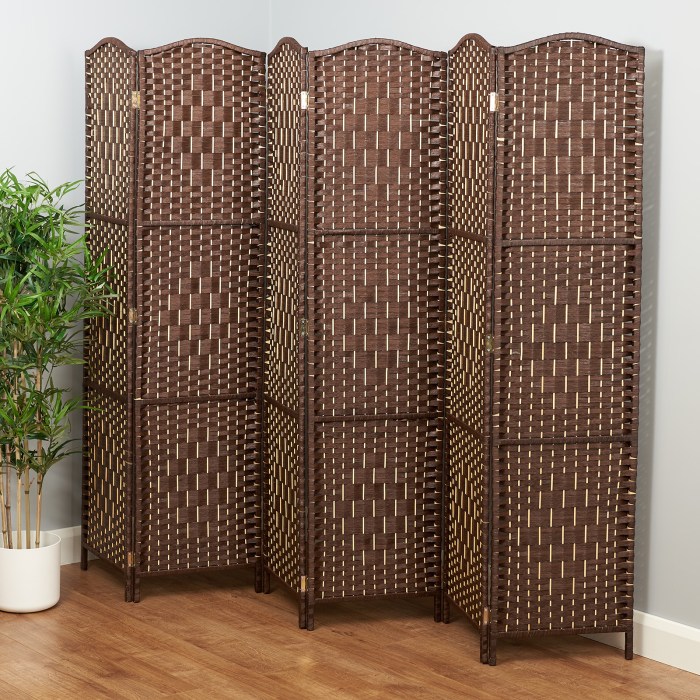
Types of Folding Room Divider Screens
The market offers a diverse range of folding room dividers, catering to different needs and styles. Understanding the various types available is crucial for selecting the perfect fit for your space.
Material Variations:
- Wood: Offering a classic and timeless appeal, wooden room dividers provide durability and warmth. They range from solid hardwoods like oak and mahogany to more affordable engineered wood options. Consider the wood finish – stained, painted, or natural – to match your existing décor.
- Fabric: Fabric room dividers are lightweight and portable, ideal for creating temporary partitions or adding a soft, textured element to a room. They come in various fabrics, patterns, and colors, allowing for easy customization.
- Bamboo: A sustainable and eco-friendly choice, bamboo room dividers offer a natural, rustic look. They are lightweight yet surprisingly durable.
- Metal: Metal room dividers, often constructed from aluminum or steel, provide a modern and sleek aesthetic. They are robust and offer excellent stability.
- Rattan/Wicker: These natural materials create a bohemian or tropical vibe, adding a touch of warmth and texture to any space. They are often lightweight and easy to move.
- Glass: Glass room dividers offer a contemporary and sophisticated look, allowing light to pass through while maintaining privacy. They can be combined with other materials for added design interest.
- Plastic/Acrylic: These are cost-effective and easy-to-clean options, perfect for high-traffic areas or spaces requiring frequent cleaning. They are often lightweight and come in a variety of colors and designs.
Style Considerations:, Folding room divider screen furniture panels
- Traditional: These dividers often feature classic designs, intricate carvings, or rich wood finishes, complementing traditional or transitional décor.
- Modern: Clean lines, minimalist designs, and neutral color palettes characterize modern room dividers, suitable for contemporary or minimalist interiors.
- Contemporary: Blending modern and traditional elements, contemporary room dividers offer versatility and adaptability to different styles.
- Bohemian: These room dividers often incorporate natural materials like rattan, bamboo, or macrame, adding a relaxed and eclectic feel.
Size and Functionality:
Room dividers come in various sizes, from small, single-panel screens to large, multi-panel units. Consider the space you have available and the purpose of the divider when choosing the size. Some dividers offer additional features like shelves, mirrors, or built-in storage.
Benefits of Using Folding Room Divider Screens
Folding room dividers offer a multitude of benefits beyond simply dividing a space:
- Space Optimization: Create distinct zones within an open-plan space, maximizing the functionality of your room. Ideal for studios, apartments, or large living areas.
- Privacy Enhancement: Offer a degree of privacy without the permanence of a wall, perfect for bedrooms, home offices, or changing areas.
- Aesthetic Enhancement: Add a decorative element to your interior, enhancing the overall look and feel of your space. Choose a style that complements your existing décor.
- Noise Reduction: Some thicker materials, like wood, can help to absorb sound, reducing noise levels between zones.
- Clutter Concealment: Hide unsightly areas or storage units, maintaining a clean and organized aesthetic.
- Portability and Flexibility: Easily move and reconfigure the divider to suit your changing needs.
- Cost-Effectiveness: Often a more affordable alternative to building permanent walls or installing other room dividers.
Choosing the Right Folding Room Divider Screen
Selecting the ideal folding room divider involves careful consideration of several factors:
- Room Size and Layout: Measure the space carefully to determine the appropriate size and number of panels.
- Style and Design: Choose a style that complements your existing décor and personal preferences.
- Material and Durability: Consider the material’s durability, maintenance requirements, and suitability for the intended environment.
- Budget: Room dividers range in price, so set a budget beforehand.
- Functionality: Determine the primary purpose of the divider – privacy, space division, or aesthetic enhancement.
Frequently Asked Questions (FAQs)
- Q: How do I clean my folding room divider? A: Cleaning instructions vary depending on the material. Refer to the manufacturer’s instructions for specific cleaning guidelines. Generally, dusting or wiping with a damp cloth is sufficient for most materials.
- Q: Are folding room dividers easy to assemble? A: Most folding room dividers are relatively easy to assemble, with clear instructions provided. However, some more complex models may require assistance.
- Q: How much space do folding room dividers take up when folded? A: The space required when folded varies significantly depending on the size and design of the divider. Check the product specifications for details.
- Q: Can I use a folding room divider in a high-traffic area? A: Yes, but the suitability depends on the material. Durable materials like wood or metal are better suited for high-traffic areas than delicate fabrics.
- Q: Where can I buy folding room dividers? A: Folding room dividers are available from various retailers, including furniture stores, home improvement stores, and online marketplaces like Amazon and Wayfair.
Resources
- Wayfair (Example online retailer)
- Amazon (Example online retailer)
- (Add links to other relevant and reputable sources here)
Conclusion
Folding room divider screens offer a versatile and stylish solution for enhancing the functionality and aesthetics of any space. By carefully considering the various types, benefits, and factors discussed in this guide, you can select the perfect folding room divider to transform your home or office.
Call to Action
Ready to transform your space? Browse our selection of high-quality folding room dividers today and find the perfect fit for your needs! [Link to relevant product page or website]
FAQ Guide: Folding Room Divider Screen Furniture Panels
How do I clean my folding room divider screen?
Cleaning instructions vary depending on the material. Always check the manufacturer’s instructions. Generally, dusting regularly with a soft cloth is sufficient. For more stubborn marks, use a mild detergent and damp cloth, ensuring it’s thoroughly dried afterward.
What are the different types of materials used in folding room dividers?
Common materials include wood, fabric, bamboo, plastic, and metal. Each offers different aesthetic qualities and levels of durability.
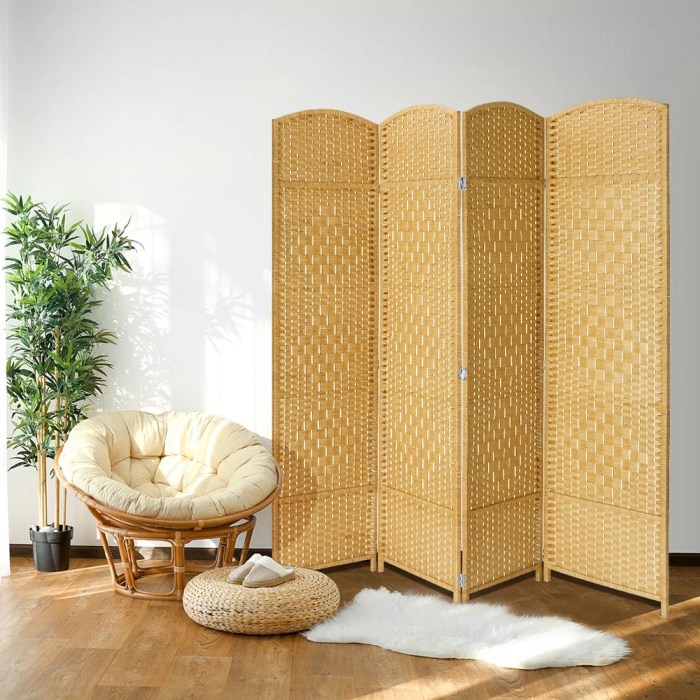
How much space do folding room dividers require when stored?
Storage space requirements vary greatly depending on the size and design of the divider. Check the product dimensions for accurate information.